

Essential Motorcycle Safety Tips for New Riders

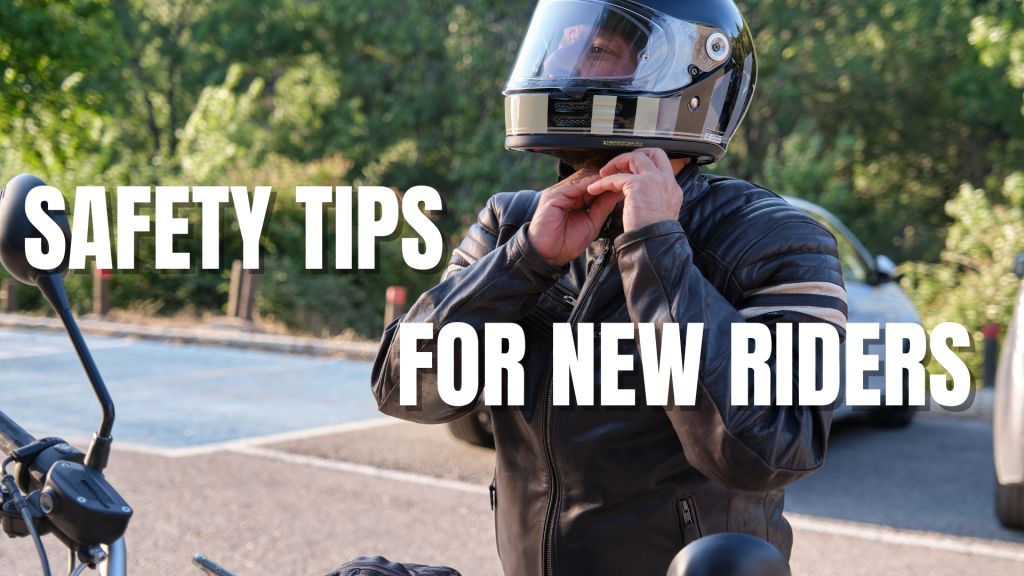
When you first get your motorcycle and pass your course, all you want to do is hit the road and enjoy your new found freedom BUT if it didn’t already get drilled into you in rider course, safety is paramount! Don’t let your next ride be your last. We control what we can control and understanding that alone will lead to a more enjoyable ride every time. Safety should be your top priority. Here are essential motorcycle safety tips to guide new riders.
1. Enroll in a Motorcycle Safety Course
Before hitting the road, complete a motorcycle safety course. These courses teach fundamental skills and strategies for safe riding. The Motorcycle Safety Foundation (MSF) offers courses nationwide.
2. Wear Appropriate Protective Gear
Investing in quality protective gear is crucial.
- Helmet: Choose a full-face helmet approved by the Department of Transportation (DOT) for maximum protection.
- Jacket and Pants: Opt for gear made from leather or abrasion-resistant materials like Kevlar, equipped with armor at key impact points.
- Gloves: Use gloves that offer both protection and tactile feedback.
- Boots: Select over-the-ankle boots with non-slip soles to protect your feet and ankles.
3. Conduct Pre-Ride Inspections
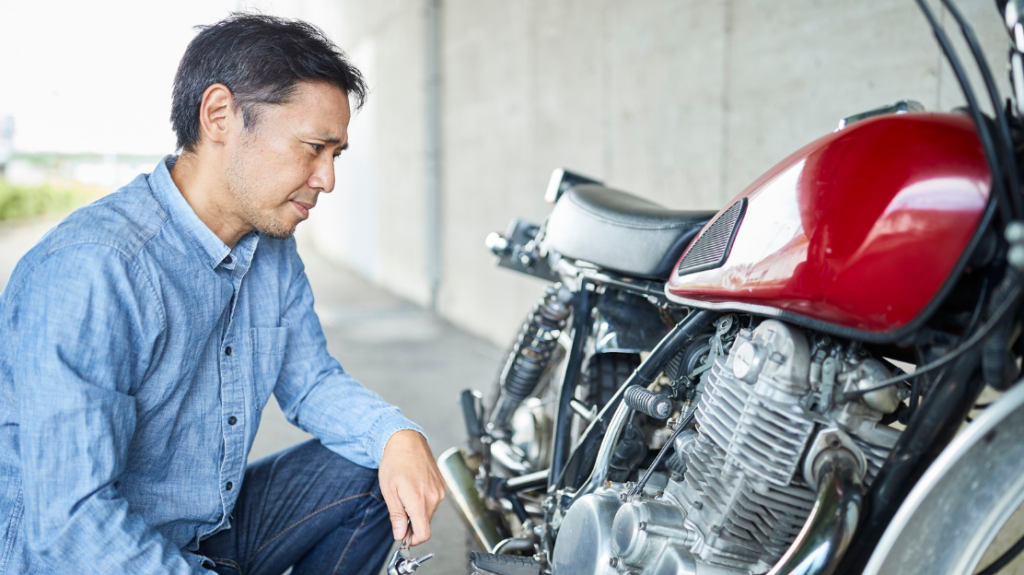
Before each ride, perform a thorough inspection of your motorcycle. This one’s imperative.
- Tires: Check for proper inflation and sufficient tread depth.
- Lights and Signals: Ensure all lights and indicators are functioning correctly.
- Fluids: Verify that oil, coolant, and brake fluid levels are adequate.
Regular maintenance helps prevent accidents caused by mechanical failures.
4. Practice Defensive Riding
Adopt a defensive riding mindset to anticipate and react to potential hazards.
- Stay Visible: Wear bright or reflective clothing and keep your headlights on, even during daylight.
- Maintain Safe Distances: Keep a safe following distance to allow ample reaction time.
- Avoid Blind Spots: Position yourself where other drivers can see you easily.
Remember, many motorcycle accidents occur because drivers fail to notice motorcyclists.
5. Obey Traffic Laws
Strict adherence to traffic laws is non-negotiable.
- Speed Limits: Always ride within posted speed limits.
- Signals: Use turn signals for every lane change or turn.
- Traffic Signs: Observe all traffic signs and signals diligently.
Following the rules of the road reduces the risk of collisions.
6. Ride Sober and Alert
Operating a motorcycle requires full mental and physical faculties.
- Avoid Alcohol and Drugs: Never ride under the influence.
- Rest: Ensure you are well-rested before riding to maintain focus and reaction time.
Fatigue and impairments significantly increase accident risks. Don’t fall for the ‘bar-hopper’ scene – there’s nothing cool about increasing the likelihood of becoming roadkill.
7. Be Cautious in Adverse Conditions
Weather and road conditions can greatly affect motorcycle handling.
- Wet or Icy Roads: Exercise extreme caution or avoid riding altogether.
- Night Riding: Ensure your bike’s lighting is adequate, and wear reflective gear.
Adjust your riding to accommodate environmental factors.
8. Enhance Your Skills Continuously
Regularly seek opportunities to improve your riding skills.
- Advanced Courses: Enroll in advanced riding courses to learn new techniques.
- Practice: Regularly practice maneuvers in safe environments.
Continuous learning contributes to safer riding experiences.
9. Understand Your Motorcycle
Familiarize yourself with your motorcycle’s capabilities and limitations.
- Handling: Know how your bike responds in various situations.
- Braking: Practice emergency braking to understand stopping distances.
A deep understanding of your motorcycle enhances control and safety.
10. Plan Your Route
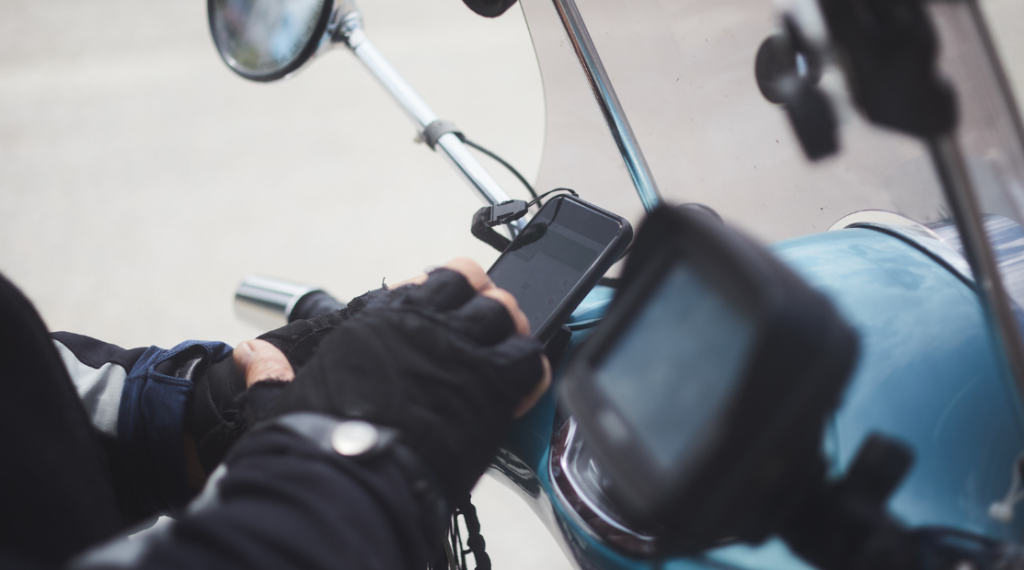
Before setting out, plan your route considering the following:
- Traffic Patterns: Be aware of peak traffic times and areas.
- Road Conditions: Check for construction or road closures.
Planning helps avoid unexpected situations that could compromise safety.
Embracing these safety tips will set the foundation for a secure and enjoyable motorcycling experience. Prioritize safety, stay informed, and continually hone your skills to navigate the roads confidently.


Responses